
Brain Injury Exercises That Support Focus, Memory, and Mental Strength
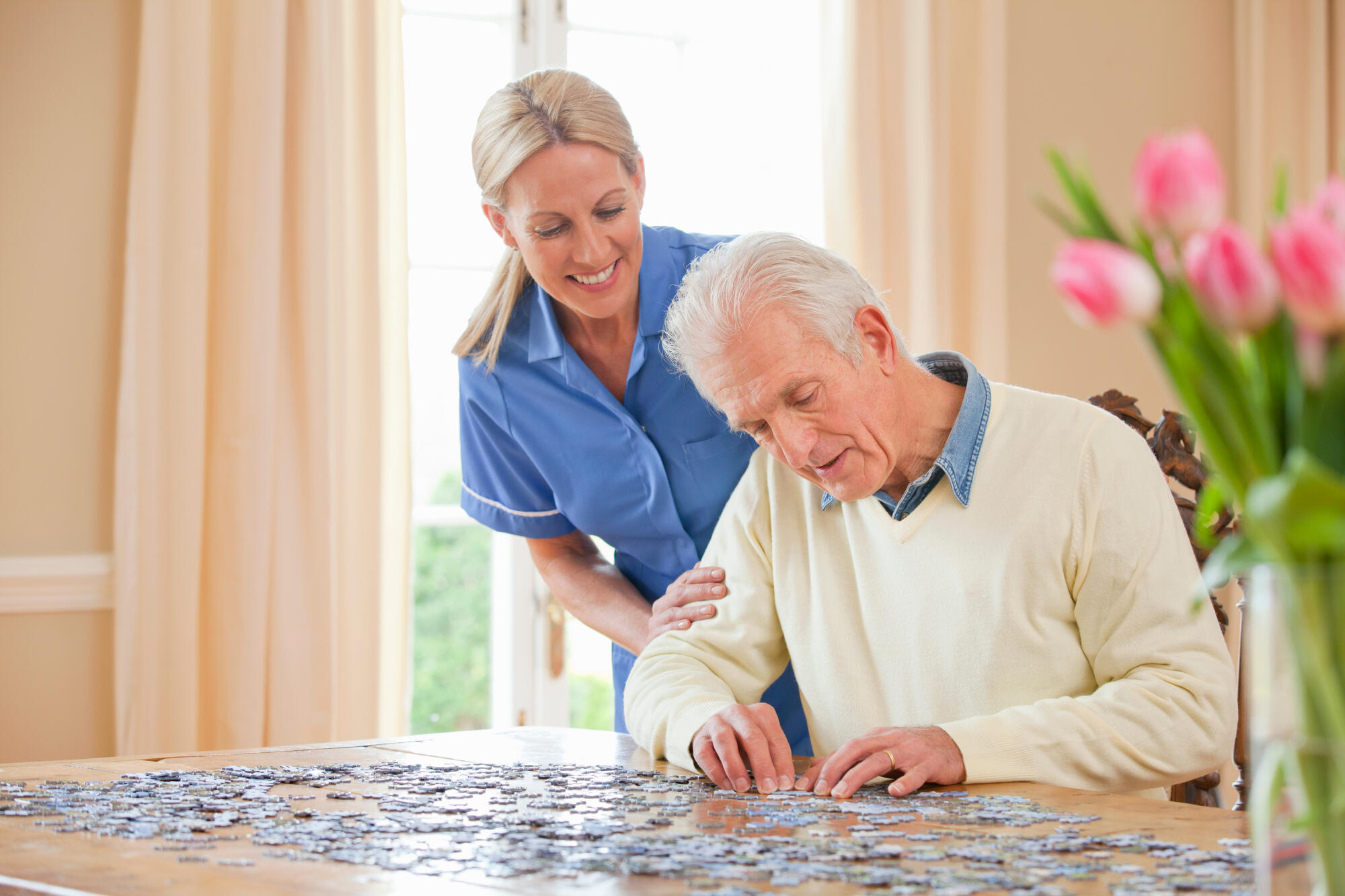
Recovery after a brain injury often brings new challenges with focus, memory, and daily confidence. Many older adults notice mental fatigue or difficulty concentrating, even long after physical healing begins. Supportive routines and gentle cognitive activities can play an important role in maintaining independence and mental strength.
According to the Brain Injury Association of America, around 2.8 million people sustain a traumatic brain injury every year. Structured brain injury exercises and steady post-injury routines can help reinforce memory support and overall senior brain health.
Here at Village at the Falls, our welcoming community in Menomonee Falls, WI, just 20 miles from Milwaukee, encourages daily engagement and meaningful activity. This blog post looks at practical exercises and habits that can support focus, memory, and mental resilience after a brain injury.
What Are The Memory Exercises For Brain Injury?
Memory exercises help rebuild recall, attention, and mental organization after a brain injury. Simple repetition activities often work well. Examples include remembering:
- Short grocery lists
- Daily schedules
- Names of familiar places
Writing information down by hand can also strengthen recall and reinforce learning.
Word games and puzzles support memory without feeling overwhelming. Crosswords, matching games, and category naming exercises keep the brain active while allowing breaks when needed. Short sessions tend to be more effective than long ones.
Routine-based memory tasks are also helpful. Repeating the same morning or evening steps builds familiarity and confidence. Over time, consistent practice can make daily tasks feel easier and more predictable.
How Can I Improve My Concentration After Brain Injury?
Concentration often improves with structured, low-pressure activities. Focusing on one task at a time helps reduce mental fatigue. Quiet environments with limited distractions make it easier to stay engaged.
Timed activities work well for rebuilding focus. Reading for ten minutes or completing a simple puzzle encourages attention without strain. Gradually increasing time supports steady progress.
Mindful breathing exercises can also improve concentration. Slow breathing helps calm the nervous system and prepares the brain for mental work. Paired with gentle movement, these practices support both focus and emotional balance.
Gentle Cognitive Activities That Support Mental Strength
Cognitive activities do not need to be complex to be effective. Listening to audiobooks or music and discussing key points encourages comprehension and recall. Art projects and crafts also support planning and creativity.
Social interaction plays a role in mental strength. Conversations, group games, and shared meals stimulate thinking and communication skills. Regular engagement helps prevent isolation, which can affect cognition.
At Village at the Falls in Menomonee Falls, WI, residents benefit from daily activities that promote connection and mental engagement.Our supportive setting encourages participation at a comfortable pace.
Building Daily Routines That Encourage Progress
Daily routines provide structure and reduce decision fatigue. Predictable schedules help the brain know what to expect, which supports confidence and focus. Simple routines like set meal times and planned activities work well.
Balancing mental and physical activity supports overall progress. Light walks, stretching, and seated exercises increase blood flow to the brain. Paired with cognitive tasks, physical movement enhances alertness.
Rest remains essential, too, and short breaks between activities prevent overload and support recovery. Consistent routines that include rest, engagement, and movement can help seniors maintain mental strength over time.
When Should Seniors Seek Professional Support After Brain Injury?
Professional support can be helpful when progress feels slow or daily tasks become frustrating. Speech therapists, occupational therapists, and cognitive specialists provide guidance tailored to individual needs. Early support often leads to better long-term outcomes.
Changes in mood, sleep, or behavior can also signal the need for extra help. Anxiety, confusion, or withdrawal may affect recovery if left unaddressed. A professional can help identify triggers and suggest practical strategies.
Support does not replace independence; rather, it adds structure and reassurance during recovery. Combined with daily routines and gentle brain injury exercises, professional guidance can help seniors feel more confident and supported over time.
Frequently Asked Questions
What Are Brain Injury Exercises for Seniors?
As we've highlighted above, brain injury exercises focus on memory, attention, and problem-solving skills. Activities may include word games, simple puzzles, reading, or guided conversation.
Physical movement also supports brain function, especially walking or light stretching. Consistency matters more than difficulty. Short, regular sessions often lead to better results over time.
How Often Should Recovery Exercises Be Done?
Most seniors benefit from daily practice, even if sessions are brief. 10 to 20 minutes can be enough when activities are well chosen.
Rest days are also important, especially after mental fatigue. A balanced routine supports recovery activities without causing frustration or burnout.
Can Social Activities Help Brain Recovery?
Social interaction plays a key role in cognitive health. Conversation, group games, and shared meals stimulate thinking and memory.
These moments also support mental clarity and emotional well-being. Community settings make it easier to stay engaged without pressure.
What Support Is Helpful During Recovery?
Structured routines, gentle encouragement, and a calm environment all support progress. Access to nutritious meals, safe walking areas, and organized activities can make daily life easier. Supportive services help seniors focus on recovery instead of household tasks.
How Does Village at the Falls Support Residents?
Village at the Falls offers Independent Living with supportive services designed for comfort and ease. Residents enjoy chef-prepared meals, walking paths, group activities, and inviting common spaces.
Amenities and services reduce daily stress and create opportunities for connection, which supports brain health during recovery.
When Should Additional Help Be Considered?
Extra support may help if confusion, fatigue, or frustration increase. Healthcare professionals can adjust routines or suggest new strategies. Early guidance often helps seniors feel more confident and supported as recovery continues.
Effective Brain Injury Exercises for Seniors
The bottom line is that recovering after a brain injury takes patience, structure, and the right environment. Brain injury exercises are more effective when they are part of a daily routine that supports focus, comfort, and connection.
At Village at the Falls, residents benefit from a welcoming community with supportive services, engaging activities, chef-prepared meals, and peaceful walking paths. Our setting helps reduce daily stress so residents can focus on mental strength and confidence. Located in Menomonee Falls, just 20 miles from Milwaukee, our community is designed for active, supported living.
Schedule a tour to see how Village at the Falls can support recovery and well-being.